THE PROBLEM:
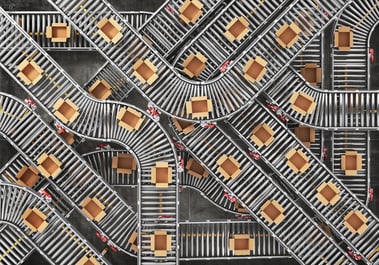
For companies operating in leased facilities, traditional automation often feels out of reach. Fixed conveyors, bolted-down robotics, and infrastructure-heavy systems don’t align with the temporary nature of leased spaces.
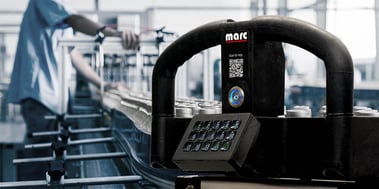
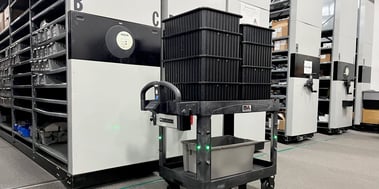
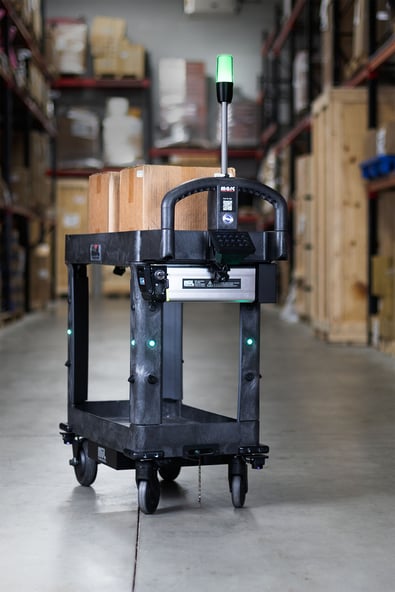
But automation doesn’t have to be permanent to be powerful. MARC® (Mobile Autonomous Robot Cart) is redefining what’s possible, offering scalable, portable automation that moves with you.
The Challenge: Automating in Leased Warehouses
A lot of leased warehouses come with unique constraints that make traditional automation difficult:
- No/limited structural modifications allowed: Most lease agreements prohibit drilling, anchoring, or altering floors and walls.
- Short-term leases discourage long-term investments: ROI for fixed automation often requires years, which doesn’t align with short term leases.
- Restoration obligations: Tenants must return the space to its original condition, making removal of bolted systems costly.
- Building and safety codes: Permanent systems may trigger sprinkler upgrades, electrical work, and OSHA compliance checks.
- Frequent relocations: Moving conveyors or AS/RS systems between sites is expensive and time-consuming.
These restrictions stem from three major areas:
1. Lease Agreement Restrictions
- Permitted Use Clause: Activities involving heavy machinery or structural changes often need landlord approval.
- Alterations and Additions: Permanent installations require consent; unauthorized changes can lead to penalties.
- Restoration Obligations: Removal of fixed systems can be costly and time-consuming.
- Insurance and Liability: Automation may increase risk, requiring additional coverage.
2. Building and Safety Codes
- OSHA Compliance: Automated systems must meet safety standards for machine guarding and emergency shut-off.
- Fire and Sprinkler Systems: High-density automation may require ESFR sprinkler upgrades.
- Structural Load Limits: Floors and mezzanines must support equipment weight per local codes.
3. Tenant Improvement Rules
- Tenant Improvement Allowances (TIA): Landlords may fund upgrades like HVAC or electrical, but automation equipment often falls outside standard allowances.
- Approval Process: TI (Tenant Improvement) work requires detailed plans, permits, and landlord sign-off, non-permanent items rarely qualify.
SOLUTION: MARC Enables Infrastructure-Free Automation
MARC is designed for flexibility:
The process works seamlessly:
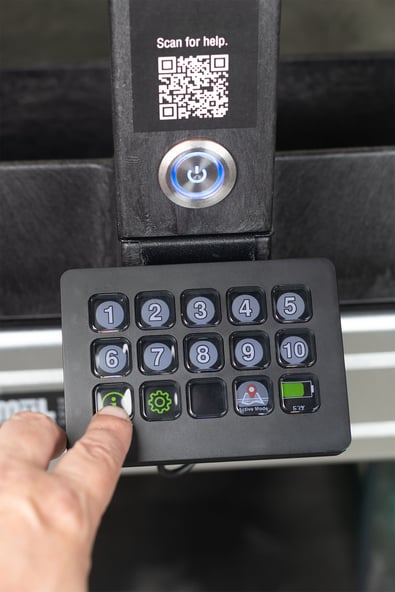
- No installation required: MARCs operate independently of facility infrastructure.
- Fully mobile: Easily re-deployable across different sites.
- Autonomous navigation: Uses sensors and mapping to move through warehouse aisles.
- Simple design: ideal for picking, transport, inspection, or other tasks.
Because MARCs are self-contained, they’re ideal for leased environments where agility and portability are essential.
Real-World Applications of MARC® in Leased Spaces
Companies across industries are using MARC® to automate without committing to permanent changes:
- Distribution centers scale operations quickly without waiting for infrastructure upgrades.
- Warehouses handle urgent picking and transport.
- Manufacturers maintain productivity without investing in fixed systems.
MARC® delivers automation benefits, without the infrastructure burden or lease compliance headaches. And because MUL Technologies works directly with customers, implementation is faster, more tailored, and fully supported.
How to Get Started with MARC® in a Leased Facility
If you're considering MARC®, here are practical steps to begin:
- Assess your workflow: Identify repetitive tasks that could be automated.
- Evaluate space constraints: MARC® is compact, but aisle width, flooring and layout matter.
- Choose modular systems: MARC® carts can be reconfigured for different tasks.
- Request a demo: MUL Technologies offers direct consultations and support rollout.
- Plan for portability: MARC® carts are designed to be packed and redeployed easily.
Conclusion: Automation That Moves With You
Leased warehouses shouldn’t mean limited automation. With MARC®, companies can boost efficiency, reduce labor strain, and scale operations, without permanent infrastructure or long-term risk.
Ready to explore MARC® for your facility?
Contact us for a Demo.